
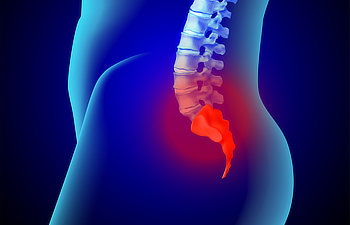
Coccydynia, commonly known as tailbone pain, is a condition characterized by discomfort or pain in the coccyx, the small triangular bone at the bottom of the spine. While the coccyx serves as an attachment point for ligaments and muscles, it is susceptible to injury and inflammation due to various factors. Understanding the possible causes of coccydynia can help individuals better manage and treat this often debilitating condition.
Trauma or Injury
One of the most common causes of coccydynia is trauma or injury to the coccyx. This can occur due to falls, especially onto a hard surface, such as slipping on ice or falling down stairs. Trauma during childbirth, particularly during a difficult delivery or the use of forceps, can also lead to coccyx injury and subsequent pain.
Repetitive Strain
Repetitive activities that put a strain on the coccyx and surrounding muscles and ligaments can contribute to coccydynia. This includes activities such as prolonged sitting, especially on hard surfaces, or repetitive movements that place pressure on the tailbone, such as cycling or rowing. Over time, these repetitive strains can lead to inflammation and pain in the coccyx region.
Poor Posture
Poor posture can exacerbate coccydynia or contribute to its development. Sitting for extended periods with poor posture, such as slouching or sitting with the tailbone tucked under, can increase pressure on the coccyx and surrounding tissues, leading to pain and discomfort over time.
Obesity
Excess weight can increase pressure on the coccyx and surrounding structures, leading to inflammation and pain. Individuals who are overweight or obese may be more prone to developing coccydynia, especially if they engage in activities that exacerbate the condition, such as prolonged sitting or repetitive strain.
Degenerative Changes
Degenerative changes in the coccyx or surrounding structures, such as arthritis or degenerative disc disease, can contribute to coccydynia. These conditions may cause the bones and joints in the coccyx region to degenerate over time, leading to pain and discomfort with movement or pressure.
Infections or Tumors
In rare cases, infections or tumors in the coccyx region may cause coccydynia. Infections, such as pilonidal cysts or abscesses, can lead to inflammation and pain in the coccyx area. Tumors, although rare, can also cause pressure on the coccyx or surrounding nerves, resulting in pain and discomfort.
Idiopathic Causes
In some cases, the exact cause of coccydynia may be unknown, leading to idiopathic coccydynia. This diagnosis is made when other potential causes have been ruled out, and the pain persists without an identifiable cause. Idiopathic coccydynia may be related to abnormalities in the coccyx or surrounding tissues, nerve sensitization, or other factors.
Relief for Tailbone Pain
Coccydynia can be caused by a variety of factors, from injuries and lifestyle to degenerative and idiopathic causes. Understanding the potential causes of coccydynia is essential for proper diagnosis and treatment. Individuals experiencing tailbone pain need an accurate assessment and personalized treatment plan to manage their symptoms effectively. At Caliber Pain, our team of orthopedic and pain specialists can provide accurate diagnoses for tailbone pain to determine the best treatment plan. If you are experiencing symptoms of coccydynia, call our clinic on Park Avenue in NYC to schedule your evaluation.
Posted on behalf of
460 Park Ave, 8th Floor
New York, NY 10022
Email: contact@caliberpain.com
Mon-Sat: 7:00AM-7:00PM Contact